The centerpiece – the panel discussions
Panel discussion as a conversation format
We will be talking at the Tharandter Gespräche! With the panel discussions, we will bring the exchange of experts to the stage.
Anyone who studies forestry, follows politics, or works with people soon realizes that there can be a difference between what is said and what is done. But why is that? With these panel discussions, we aim to bring together seemingly opposing viewpoints. Based on current issues, each side – science, politics, and practice – will present its perspectives and engage in dialogue.
Science provides the theoretical foundation. Politics establishes a framework for action, and practice fills it in. This year, we are emphasizing the three pillars that define our society. Therefore, we have invited representatives from each of these sectors to Tharandt. We look forward to a lively exchange!
Panel 1: You got nothing, you become nothing - seed availability and choice of tree species
10:30 – 12:30
Only one in five trees in Germany has no crown damage. Seed stocks, like other forests, are under pressure.
Our forests are suffering under the stress of climate change. Forest conversion is urgent, but how should we manage it? Different tree species, different provenances? Assisted migration or raising wildlings? The questions facing forestry are piling up. This panel discussion will attempt to present possible solutions.
With guests from:
Science
Ingolf Profft
Head of Department for Climate Impacts, Research, Experimentation at ThüringenForst – public law institution
After studying forestry in Tharandt and Aberdeen, he completed his traineeship in the Free State of Thuringia. Ingolf Profft has worked on various national and European research projects, primarily focusing on carbon sequestration in forests and wood products, and ultimately on the effects of climate change on our forest ecosystems. He is currently responsible for climate impacts, research, and experimentation at the Forest Research and Competence Center in Gotha, where, among other things, tree species recommendations for climate adaptation of forests in Thuringia are developed, and seed harvesting for Thuringia's state forestry agency is also carried out.
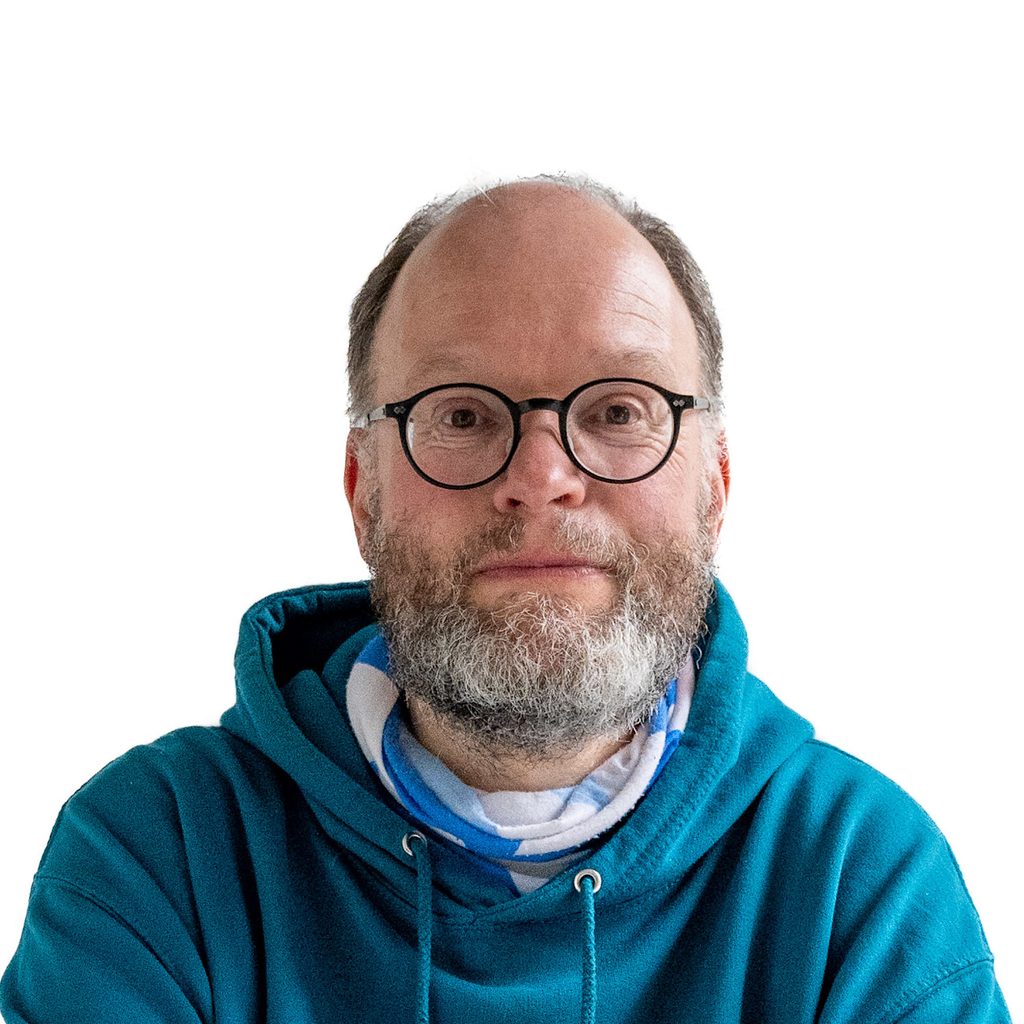
Dr. Aki Höltken
Dipl.-Forester, Head of the Department of Forest Genetic Resources, Northwest German Forest Research Institute (NW-FVA)
Dr. Aki Michael Höltken has been working in the field of forest genetics and forest plant breeding for over 25 years. His work focuses on recording the genetic diversity of forest tree species as a basis for natural adaptation processes and for supporting selection and breeding projects. The aim is to develop scientifically sound concepts for the sustainable use of forest genetic resources and to translate these into silvicultural practice in order to ensure the preservation of stable and adaptable forests, even under the conditions of climate change.
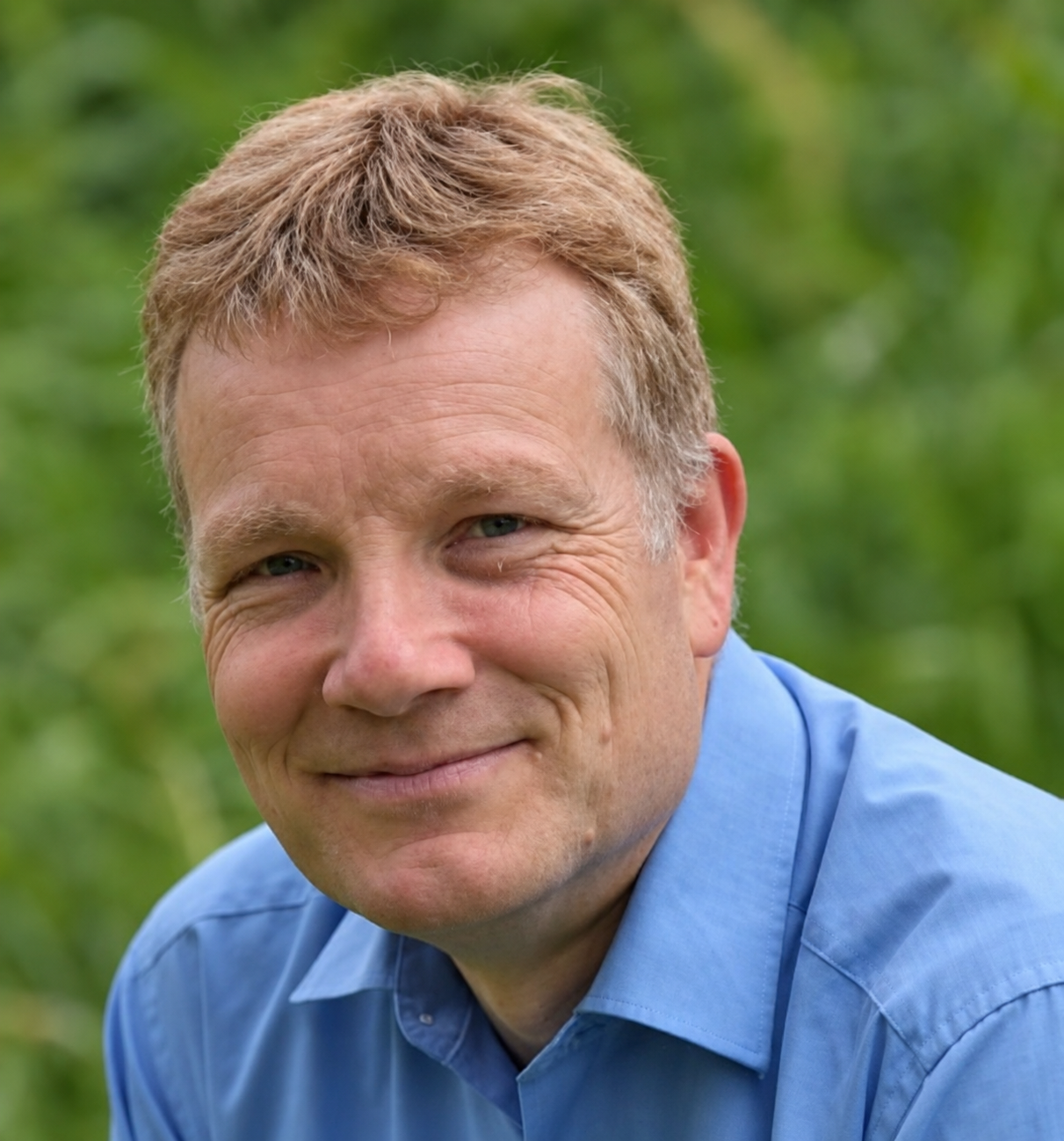
Dr. Matthias Meyer
Head of Department Forest Genetics / Forest Plant Breeding at the Competence Centre for Forest and Forestry Saxony

Dr. Mirko Liesebach
Forestry scientist (until his retirement at Thünen Institute for Forest Genetics)
Mirko Liesebach worked for over 35 years in provenance research and forest plant breeding. Initially, his work focused on the main tree species. Later, his focus shifted to aspen breeding for short-rotation coppice and finally to alternative tree species in the context of climate change. As head of the Provenance and Breeding Research department, he negotiated with the EU Commission on the new EU regulation concerning the production and marketing of forest reproductive material.
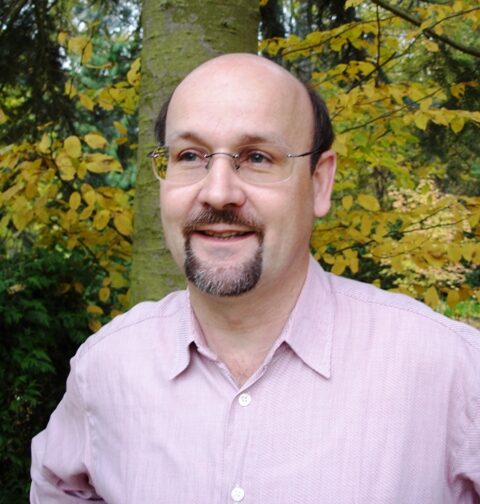
Dr. Ulrike Hagemann
Head of the State Competence Center for Forestry Eberswalde (LFE), Department 4 of Forst Brandenburg
Dr. Ulrike Hagemann has headed the Eberswalde State Forestry Competence Center (LFE) in Brandenburg since August 2022. The forestry scientist, who holds a doctorate, has many years of experience in forest ecosystem research and previously worked at the Leibniz Centre for Agricultural Landscape Research (ZALF), among other institutions. In her current scientific work and leadership position, she focuses on strategies for future-oriented forest development under the conditions of climate change, forestry practices under uncertainty, and the impacts on people who work in and with the forest.
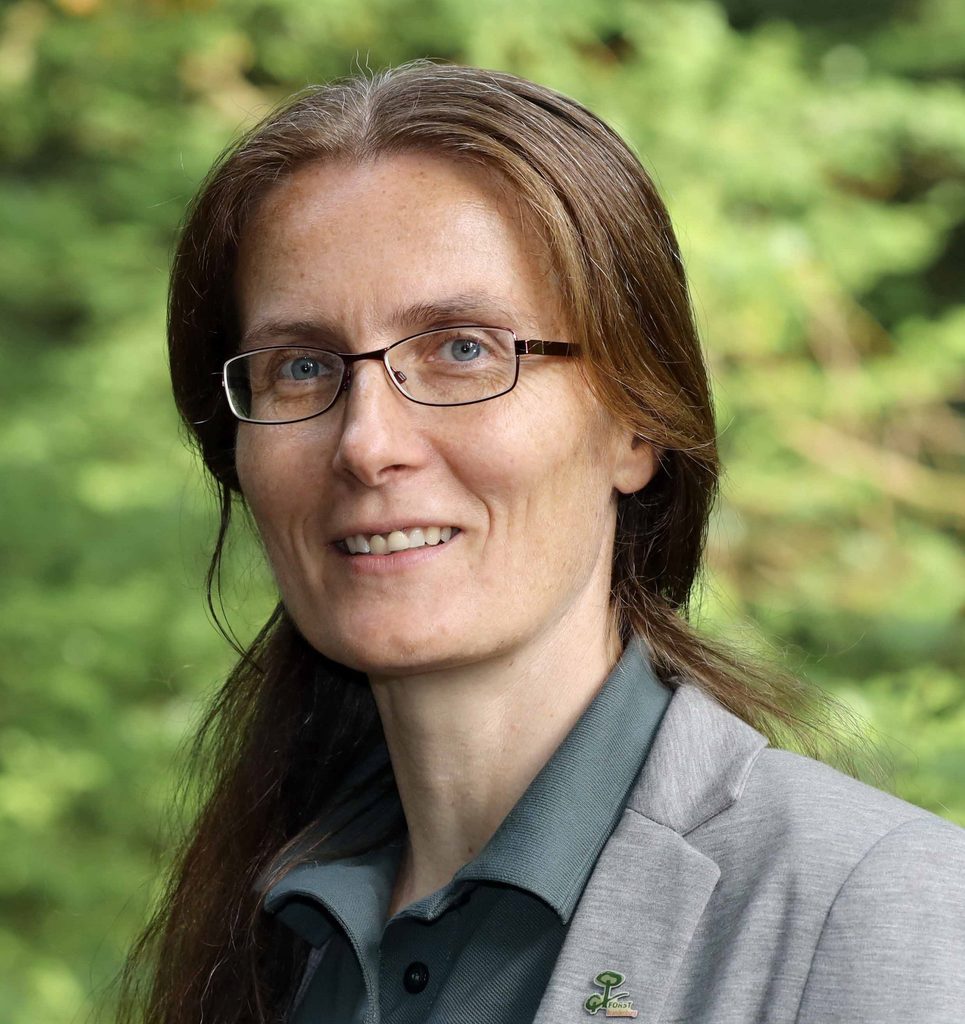
Economy
Alain Paul
Managing Director and Spokesperson of the Board of Directors of the VDF e.V. (Association of German Forest Nurseries e.V.), also owner of Holz.ConZert GmbH
My knowledge of the forestry and timber industry over more than 30 years provides a solid foundation. My forestry training and focus on close-to-nature forestry took me to all European, Asian, and tropical forest regions. This is precisely why I am a committed advocate of German forestry, which for centuries has provided not only the practical production of timber but also, to a large extent, all the other functions and benefits of the forest. But now, crises are plaguing the sector. We now have the historic responsibility and opportunity to utilize over 50 established tree species to promote climate resilience.
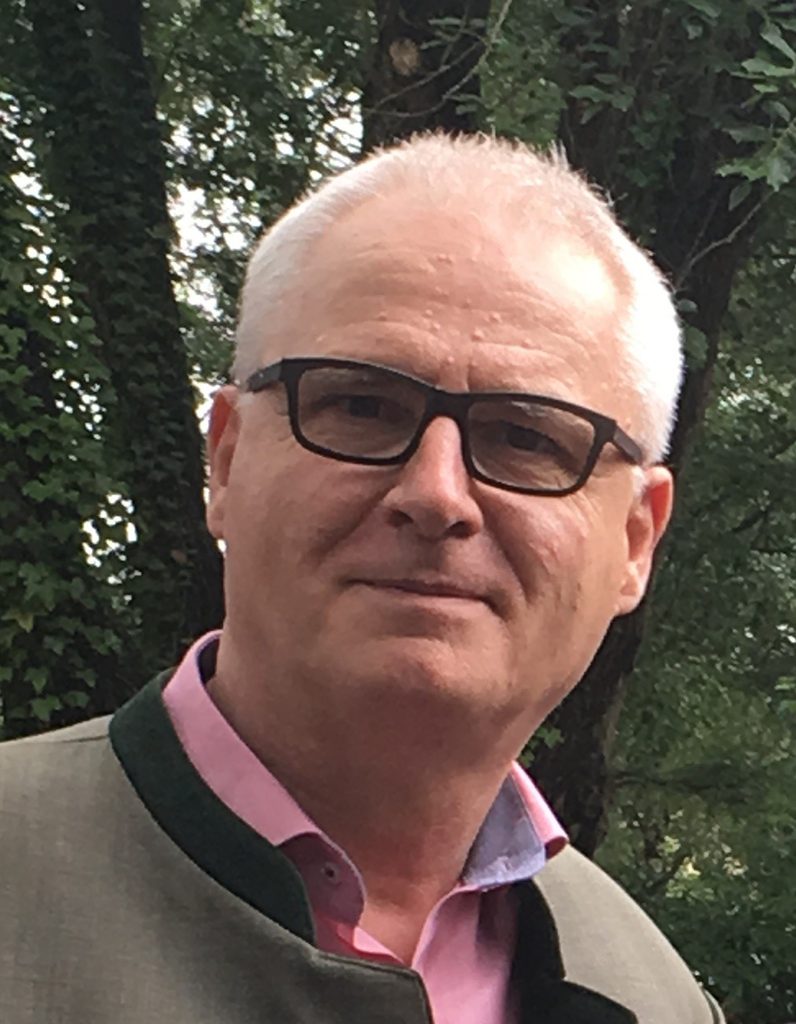
Dr. Oliver Caré
ISOGEN GmbH & Co KG
Dr. Oliver Caré ist Forstgenetiker und in leitender Funktion für die ISOGEN GmbH & Co KG tätig. Gemeinsam mit seinem Team berät er Waldbesitzer, Forstbetriebe und Baumschulen zu Fragen der Herkunftssicherung, Zertifizierung und genetischen Qualität von Forstvermehrungsgut. ISOGEN arbeitet eng mit Forschungseinrichtungen im Bereich der angewandten ökologischen Genetik zusammen und ist unter anderem auf Keimprüfungen sowie die Zertifizierung von Forstvermehrungsgut spezialisiert.
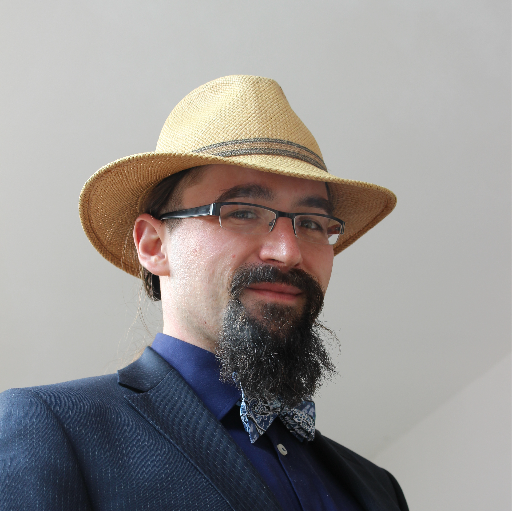
Katharina Kretschmar
Site manager of the Lürssen tree nursery in Großthiemig
As a tree nursery, we are at the origin of the forestry and timber value chain. From practical experience, I can report on seed availability, which tree species customers desire, and how widely their expectations can differ.
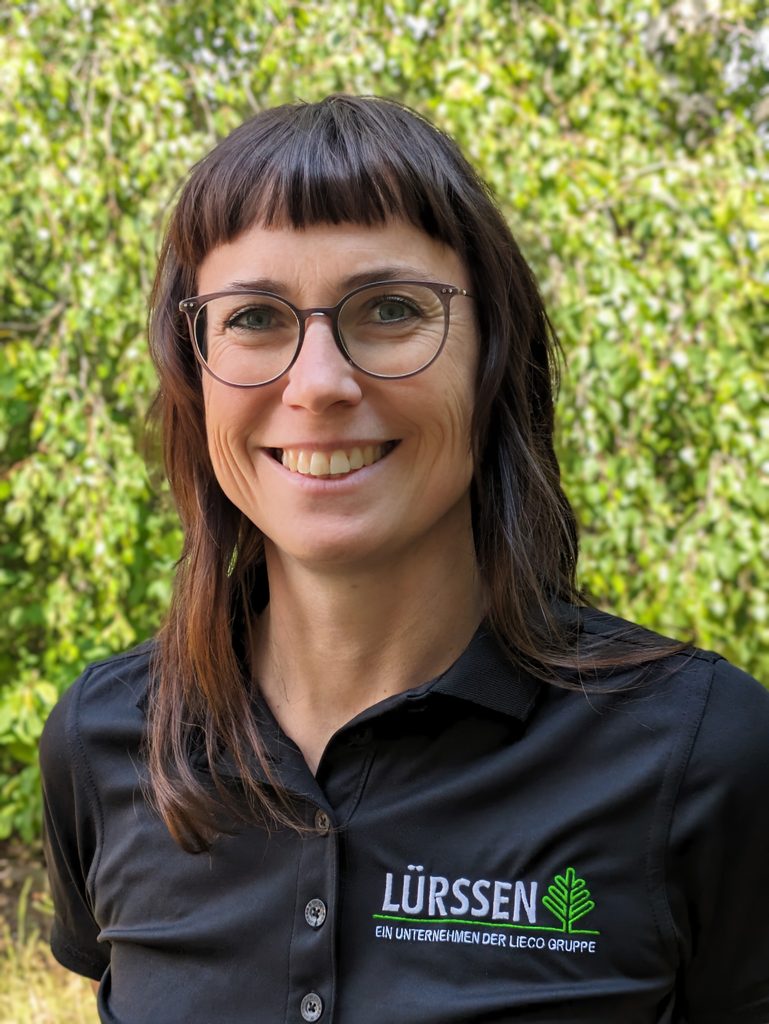
Felix Heubaum
Head of Department of the Center for Forest Reproductive Material
Felix Heubaum studied forestry in Tharandt between 2005 and 2010 and subsequently completed his forestry traineeship with the State of Saxony. Today he is head of department for the Center for Forest Reproductive Material and for the machinery stations at Sachsenforst.
Politics
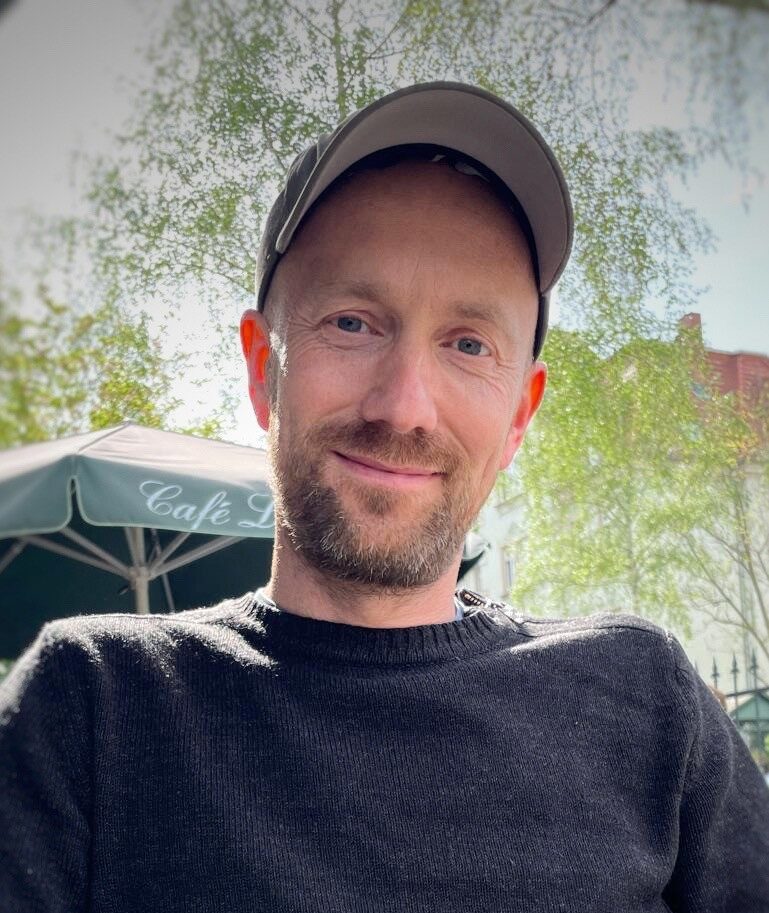
Dr. Irene Seling
Managing Director of the German Forest Owners' Association (AGDW) – The Forest Owners.
The association represents approximately 2 million private and corporate forest owners in Germany. Dr. Seling studied forestry at the University of Freiburg and earned her doctorate at the university's Institute of Forest Economics and Forest Management. After positions as a visiting professor in Brazil and in science management, she worked for over 13 years for the BDA | Confederation of German Employers' Associations, most recently as Head of Marketing & Association Development.
Wolfram Günther
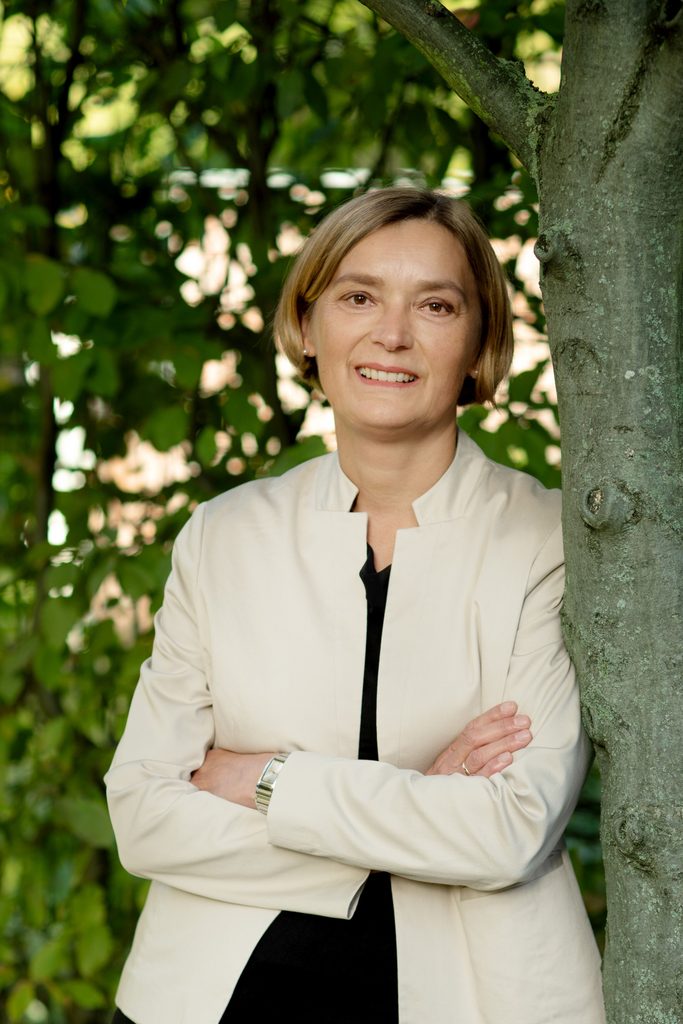
Member of the Saxon State Parliament for The Greens parliamentary group
For many years, I have been a passionate advocate for environmental, nature conservation, and climate issues, and for a good life for all. To achieve this, we must protect our natural environment, our climate, and our social cohesion. During my time as Deputy Minister-President and Saxon State Minister for Energy, Climate, Environment, and Agriculture, we in Saxony shifted our approach from obstruction to enabling in key future-oriented issues.
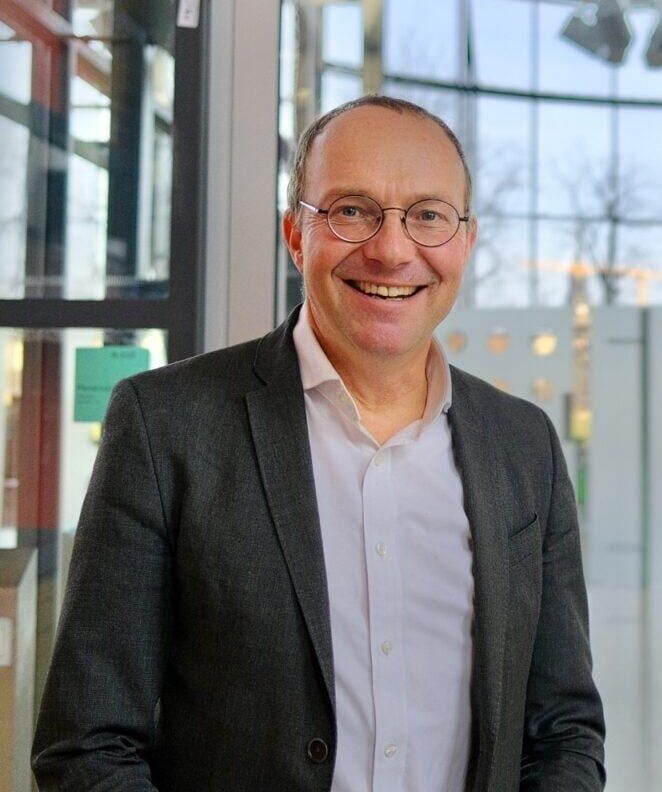
Panel 2: The future of the timber industry
15:30 – 17:30
The central product of forestry is timber. Coniferous tree species play an important role in this. However, drought stress, storms, and bark beetles are taking their toll on (pure) stands.
Climate change is driving forest conversion towards mixed forests, and timber yields are already showing a trend towards deciduous tree species. Is the industry prepared for this? Can deciduous wood be used in the same way as coniferous wood? What wood-based products can we expect in the future?
With guests from:
Science
Karsten Dunger
Head of the Forest Resources and Climate Protection department at the Thünen Institute for Forest Ecosystems
Nach seinem Studium der Forstwissenschaften in Tharandt hat er das Referendariat im Land Baden-Württemberg absolviert und arbeitet nach einer Zwischenstation in der Forsteinrichtung seit 2003 am Thünen‑Institut für Waldökosysteme. Er ist Experte für Waldinventuren sowie die Analyse der Klimawirkungen von Wäldern. Er hat langjährige Erfahrungen in der Organisation, Durchführung und Auswertung bundesweiter Waldinventuren und zur Modellierung von Kohlenstoff‑ und Biomassepotenzialen (WaldEntwicklungs‑ und HolzAufkommensModellierung). Besonderer Schwerpunkt seiner Arbeit ist die strategische die Weiterentwicklung der Inventuren incl. des Datenmanagements und der Modellierung von Klimaschutzbeiträgen der deutschen Wälder. Damit trägt er zur Schaffung eine fundierten wissenschaftliche Basis für die Politikberatung Im Bereich Wälder, Holznutzung und Klimaschutz bei.
Prof. Dr. Robert Jockwer
Professorship for Timber Engineering, TU Dresden
Professor Dr. Robert Jockwer is Professor of Timber Engineering at the Institute of Steel and Timber Structures at TU Dresden. He studied at RWTH Aachen University, received his doctorate from ETH Zurich in Switzerland, and most recently worked at Chalmers University in Gothenburg, Sweden. His research focuses on the load-bearing behavior of connections and the goal of contributing to more efficient, reliable, and high-performance timber structures. He also investigates the use of hardwood, new engineered wood products, and the reuse of timber components, as well as the assessment and repair of buildings, in order to address the challenges of climate change and future issues in the construction industry.
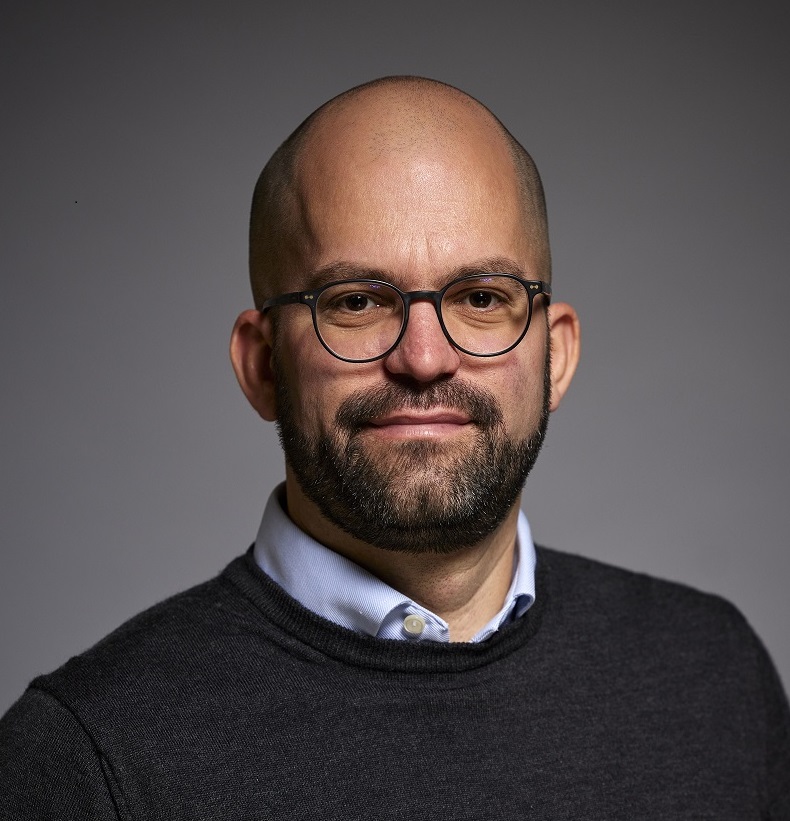
Economy
Thomas Kienz
Managing Director of HS Timber Productions GmbH
Thomas Kienz studied forestry in Tharandt and then immediately entered the wood processing industry. He brings expertise in national and international timber supply, wood processing, and energy utilization. He is also a member of the Saxon State Forestry Council.
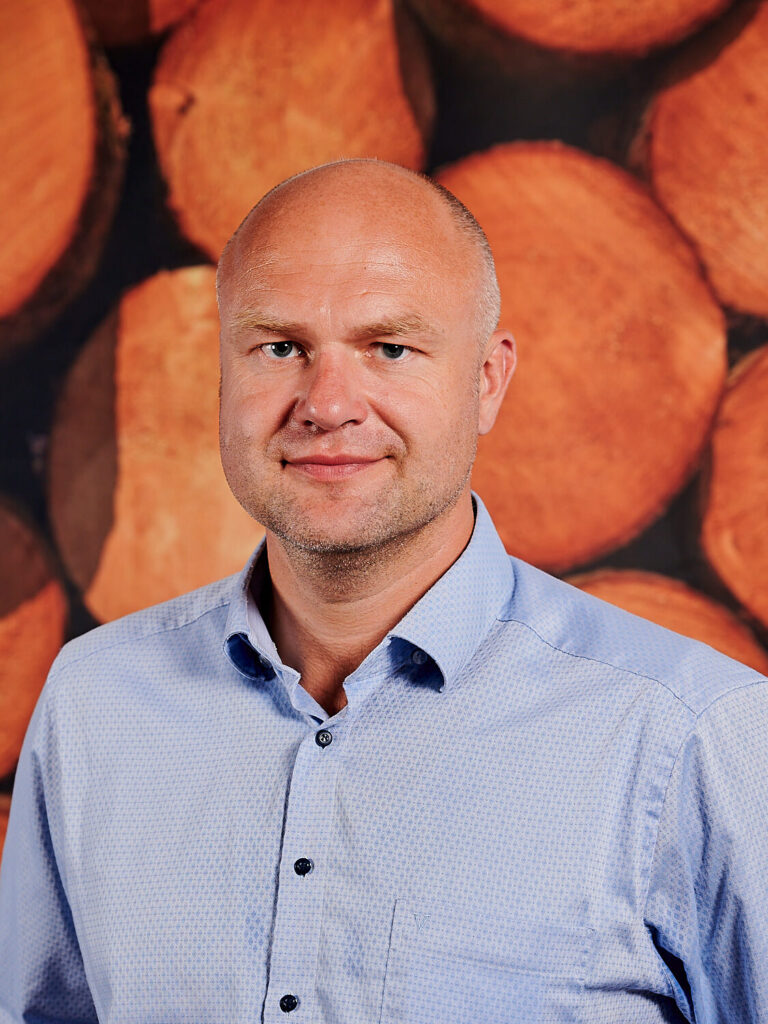
Tobias Söllner
Head of Corporate Communications at Pollmeier Massivholz GmbH & Co. KG
For many years, Tobias Söllner has been exploring how to effectively communicate the importance of forests and wood for society, the economy, and climate protection. His professional career, encompassing nature conservation, forestry, and the timber industry, combines communication, advocacy, and politics with a common goal: to make it clear why the sustainable use of wood is important, beneficial, and crucial for the future.
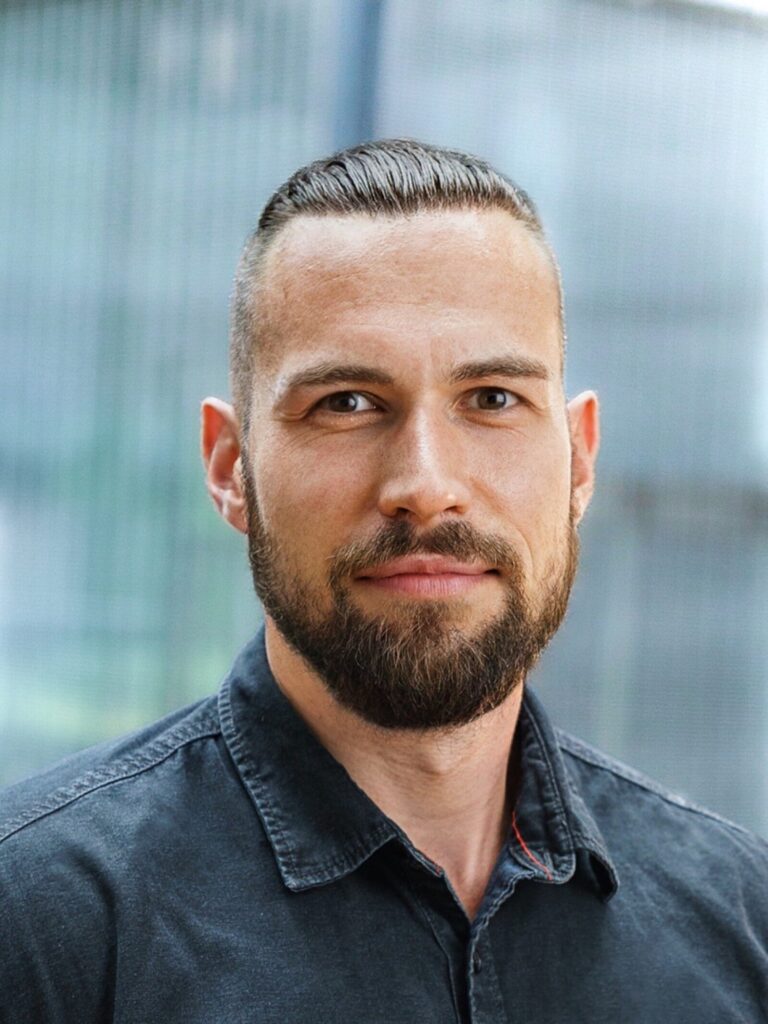
Eike Blumenberg
Betriebsleiter Forst bei Schmitz Waldwirtschaft und verfügt als Forstassessor über die Befähigung zum höheren Forstdienst.
Eike Blumenberg leitet seit September 2025 den Betrieb Schmitz Waldwirtschaft. Der gelernte Forstwirt und Forstassessor hat Forstwissenschaften in Göttingen und Freiburg studiert und Erfahrungen u. a. bei ThüringenForst gesammelt. Mit 35 Mitarbeitenden betreut er 12.471 Hektar Kommunal- und Privatwald und vermarktet jährlich rund 80.000 Festmeter Holz. Ziel ist eine naturgemäße, ökonomische Waldbewirtschaftung für stabile, produktive Wälder.
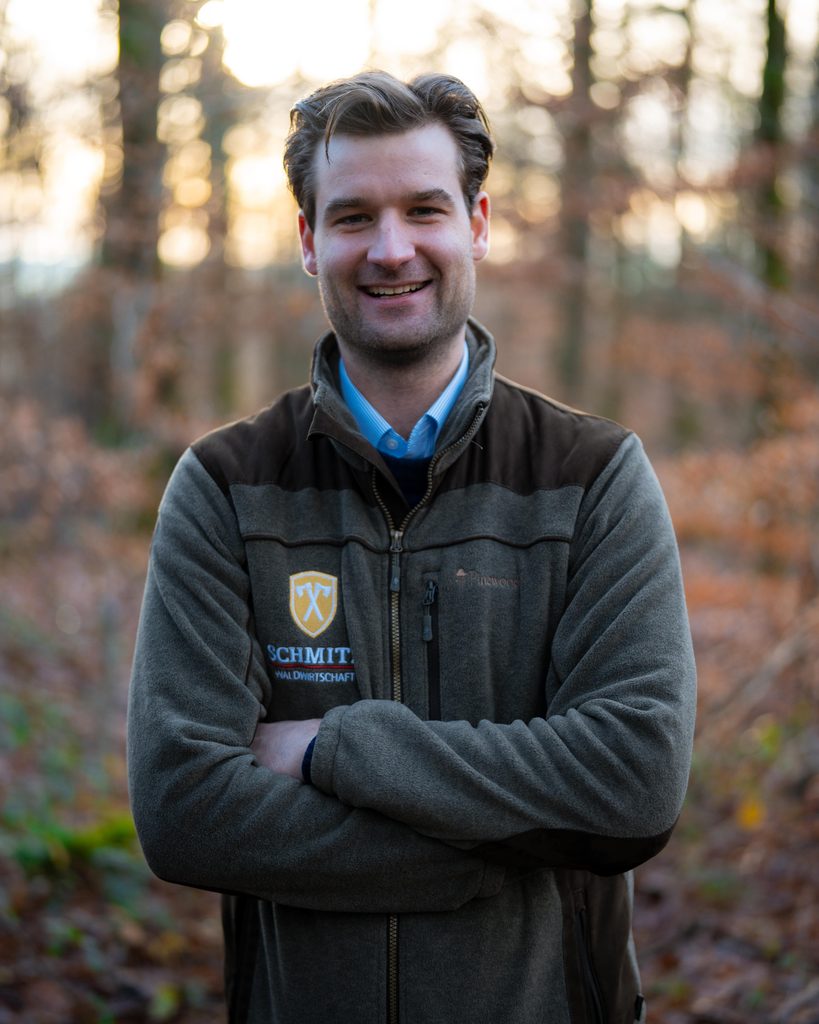
Politics
Julia Möbus
Managing Director of the German Sawmill and Timber Industry Association
As Managing Director of the German Sawmill and Timber Industry Association, Julia Möbus represents 350 member companies in the timber processing industry throughout Germany. After studying political science and law at the University of Göttingen, she gained experience in political work. As an advocate for the industry, she is familiar with current developments, as well as the strategic opportunities and challenges facing the timber sector in the context of climate change.
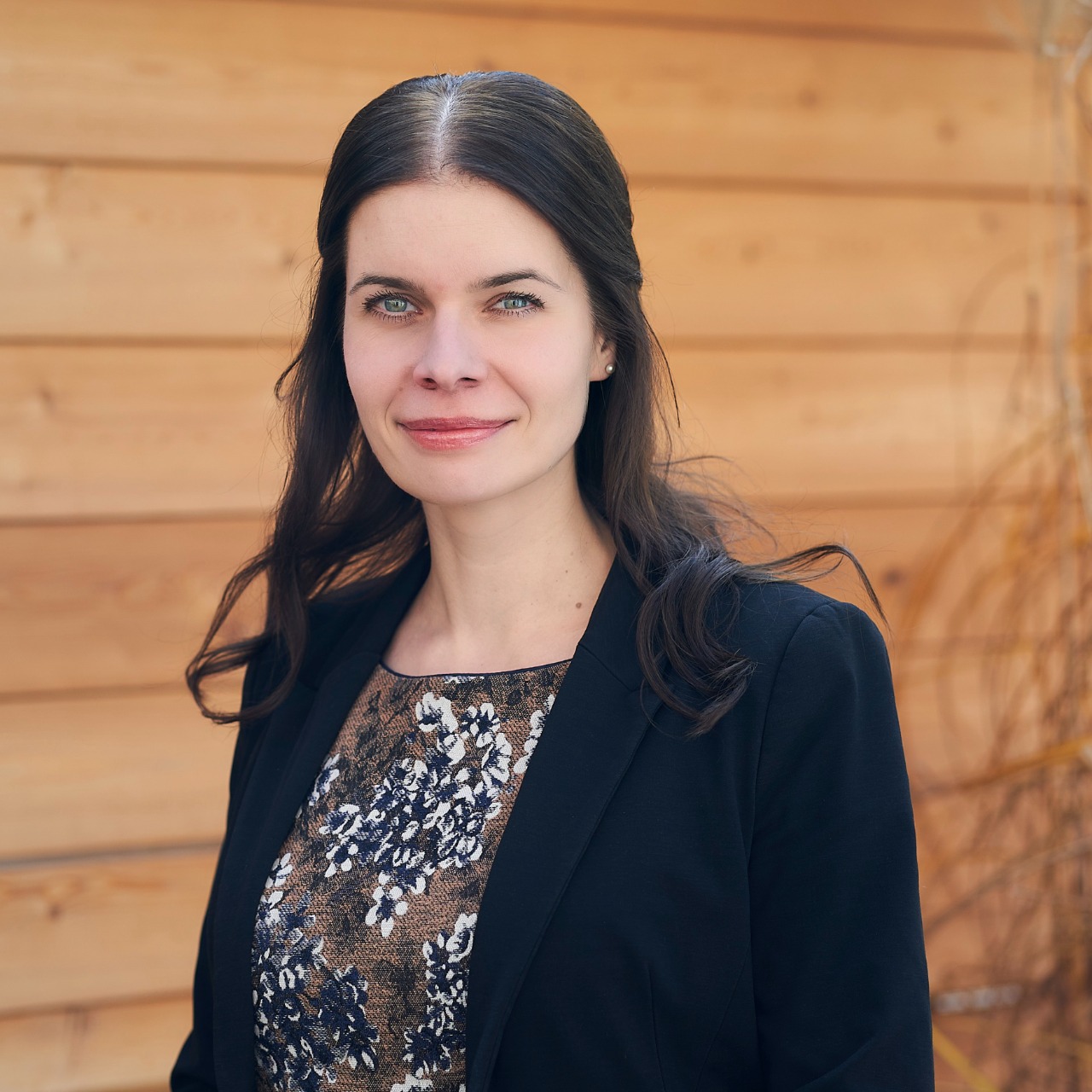
Eike Christiansen
Head of Unit N III 3, Forest Protection, Sustainable Forest Management and Wilderness at the Federal Ministry for the Environment, Climate Protection, Nature Conservation and Nuclear Safety
Mein Name ist Eike Christiansen und seit 2023 leite ich das Waldreferat im Bundesumweltministerium (BMUKN). Ich bin Forstwissenschaftler und Waldökologe und habe in Göttingen und Eberswalde studiert. Im BMUKN arbeite ich an der strategischen Schnittstelle zur langfristigen Sicherung von resilienten Waldökosystemen mit Fokus auf Klimaschutz und Biodiversität und entwickle insbesondere politische Anreizinstrumente zur Förderung der nachhaltigen, klimaangepassten Waldbewirtschaftung und der natürlichen Waldentwicklung .